Top Gardening Tips for Beginners: Grow Plants Successfully from Day One
Discover practical gardening advice, expert landscaping tips, and inspiration to help you make the most of your outdoor space.
Sanctity Ferme Team
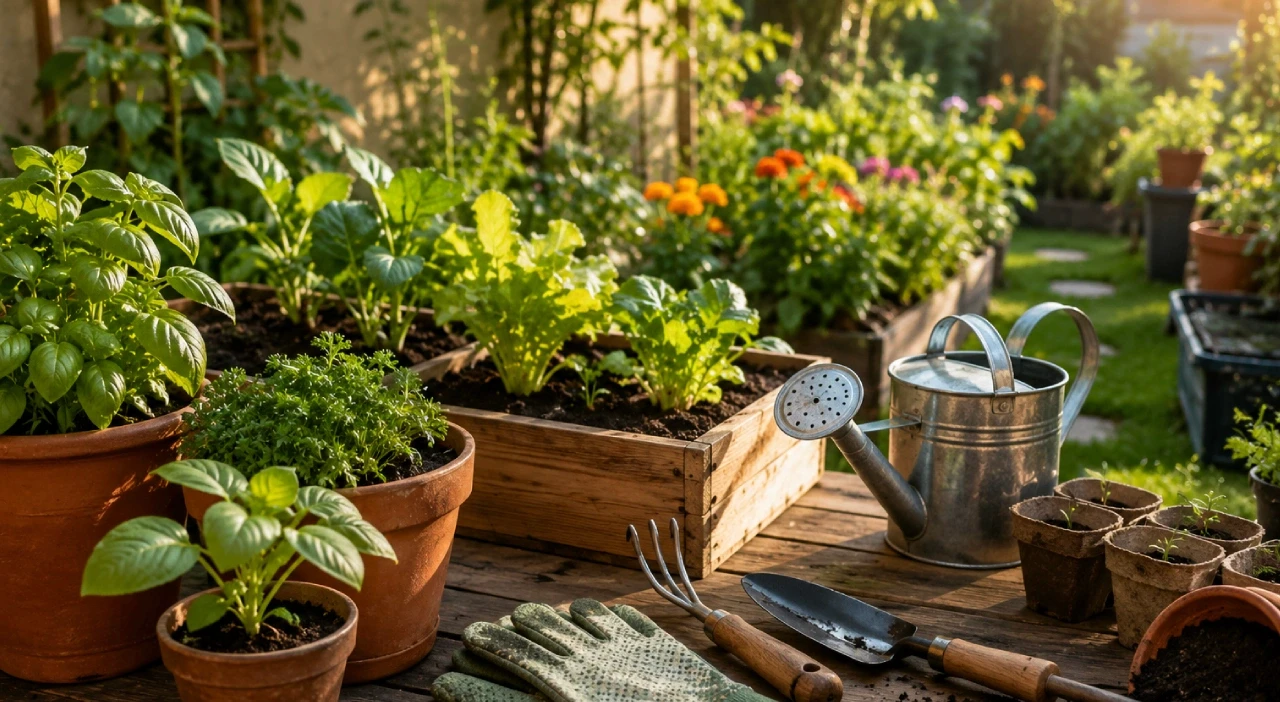
There's a moment every new gardener knows you plant something, tend to it carefully, and then watch it quietly die. No obvious reason. No warning. Just gone.
It happens to almost everyone. Gardening has a learning curve, and most of it isn't taught upfront. The good news is that once you understand a handful of core principles, things start making sense quickly. Plants aren't fragile by nature. They want to grow. They just need the right conditions.
Whether you're working with a balcony pot, a backyard patch, or dreaming of something larger these gardening tips for beginners will give you a practical foundation to start strong and keep going.
How to Start a Garden for Beginners: Begin Small and Build Confidence
The most common mistake first-time gardeners make is starting too big. A large plot feels exciting in planning but quickly becomes overwhelming when weeds appear, watering becomes inconsistent, and three plants die in the same week.
Start with a space you can manage easily a few pots on a windowsill, a raised bed of 4×4 feet, or a small section of your yard. Small success builds the instincts and confidence that make larger projects sustainable later.
Choose Your Garden Type First
Before buying any seeds or soil, decide on your format:
Container gardening ideal for apartments, balconies, or limited space. Flexible, manageable, and easy to move.
Raised beds excellent for beginners because soil quality is entirely within your control. Fewer weed problems and better drainage than ground planting.
In-ground plots more work upfront, but scalable and cost-effective once established.
Each format has its own watering, soil, and maintenance logic. Knowing which you're working with helps you apply the right gardening tips and tricks from the start.
How to Prepare Soil for Gardening at Home
Healthy soil is the single most important factor in a successful garden. You can get everything else right the right plant, the right location, the right watering and still struggle if your soil is poor.
Good garden soil is loose, well-draining, and rich in organic matter. It should feel slightly crumbly in your hand, not compacted or clumped. When you dig it, you should be able to do so easily without hitting hard resistance.
Building Your Soil Before You Plant
For container and raised bed gardening, use a quality potting mix rather than garden soil from the ground. Garden soil compacts in containers and restricts root growth. A good potting mix typically contains peat or coco coir, perlite for drainage, and compost for nutrients.
For in-ground planting, loosen the top 20–30 cm of existing soil with a fork or tiller. Add organic compost well-rotted cow manure, leaf compost, or kitchen compost and mix it through. A 5–10 cm layer of compost worked into the surface dramatically improves both drainage and nutrient availability.
Soil pH also matters. Most vegetables and flowering plants prefer a slightly acidic to neutral pH (6.0–7.0). Basic pH test kits are inexpensive and widely available. If your soil is too acidic, garden lime can correct it; if too alkaline, organic matter and sulphur help bring it down.
One of the most instructive things about visiting a working farmland is seeing what genuinely healthy, managed soil looks and feels like. At Sanctity Ferme's managed farmlands near Bangalore, soil health is treated as the foundation of everything the same principle applies whether you're tending one pot or 300 acres.
What Are the Best Plants for Beginner Gardeners?
The right plant for a beginner is one that is forgiving, fast-growing, and gives you visible results quickly. Early wins matter. They build the observational habits checking plants daily, noticing changes that separate gardeners who stick with it from those who don't.
Vegetables and Herbs to Start With
Tomatoes among the most rewarding for beginners. Grow well in containers or beds. Require consistent watering and sunlight, but respond visibly to good care.
Leafy greens (spinach, methi, amaranth) fast-growing, harvest-ready in 3–5 weeks, and easy to succession-sow for continuous supply.
Radishes the fastest vegetable in most gardens. Ready in 3–4 weeks from seed. Excellent for building early confidence.
Beans and cucumbers vigorous growers that reward consistent watering. Climbing varieties also help you make use of vertical space.
Herbs (tulsi, coriander, mint, curry leaf) practical, aromatic, and highly usable in daily cooking. Most grow well in small containers.
Flowers That Are Hard to Kill
Marigolds, sunflowers, and zinnias are all excellent choices. They germinate reliably, grow quickly, tolerate some inconsistency, and also benefit vegetable gardens by attracting pollinators and repelling pests.
If you're exploring gardening for beginners in an Indian climate specifically, focus on varieties suited to your region's heat and monsoon patterns. Cool-season crops like peas and carrots do better in winter; heat-tolerant ones like brinjal, okra, and chilli thrive through summer.
Watering: The Skill That Separates Successful Beginners from Struggling Ones
More plants die from overwatering than from underwatering. This surprises most beginners, but it's consistently true. Roots need both water and oxygen. When soil stays waterlogged for extended periods, roots suffocate and begin to rot a process that's difficult to reverse once it sets in.
How Often Should You Water Plants as a Beginner?
There's no universal answer the correct frequency depends on plant type, pot size, soil composition, temperature, and season. But there is a reliable method: check before you water.
Push your finger about 2–3 cm into the soil. If it feels dry at that depth, water. If it still feels moist, wait. For most vegetables and herbs in Indian conditions, this typically means watering every 1–2 days in summer and every 2–3 days in cooler months.
Water deeply and less frequently rather than lightly and often. Shallow, frequent watering encourages roots to stay near the surface, making plants more vulnerable to heat stress and drought. Deep watering trains roots downward, creating stronger, more resilient plants.
Water in the morning where possible. This gives foliage time to dry before evening, reducing the risk of fungal disease. Avoid wetting leaves unnecessarily direct water to the base of the plant.
For container plants, ensure good drainage holes. Standing water in a tray under a pot is a common cause of root rot that beginners often miss.
Sunlight, Spacing, and Other Tips for Starting a Garden
Give Plants the Light They Need
Most vegetables need 6–8 hours of direct sunlight daily. Observe your space across the day before planting many beginners discover their "sunny" spot only gets 3–4 hours of direct light. Leafy greens and herbs tolerate partial shade better than fruiting plants like tomatoes or capsicum.
Don't Overcrowd
Seed packets and plant tags show spacing requirements for a reason. Crowded plants compete for light, water, and nutrients. They also have poor airflow, which invites fungal disease. It feels counterintuitive to leave space between seedlings, but the plants will reward you for it.
Feed Regularly, But Not Excessively
Plants in containers and raised beds need regular nutrition because nutrients leach out with watering. A balanced organic fertiliser every 2–3 weeks during the growing season is generally sufficient. Over-fertilising especially with nitrogen produces lush leaves at the cost of fruit and flowers.
Gardening and the Larger Connection to Land
Gardening teaches you something that's hard to learn any other way: patience with living systems. You start to notice soil differently, water differently, and think about seasons in terms of what grows when.
That same attentiveness is at the heart of how good farmland is managed. Whether it's a kitchen garden in Bangalore or managed farmland near Shoolagiri, the principles are the same respect the soil, work with the climate, and take a long view.
If you've ever wanted to take that instinct further to own a piece of land where you can grow, rest, and reconnect with nature Sanctity Ferme's farm plots near Bangalore offer a thoughtfully managed environment to do exactly that. Over 800 plots sold, 5 lakh trees planted, and a growing community of people who wanted more than a city life could offer.
You can explore current projects or visit the farm to see what it looks like in person.
Frequently Asked Questions (FAQs) on Gardening for Beginners
What are the steps to start a garden for beginners?
Start by deciding on your format container, raised bed, or in-ground based on your available space and time. Then prepare your soil with good quality potting mix or compost. Choose beginner-friendly plants suited to your climate and season. Set up a reliable watering routine using the finger-test method rather than a fixed schedule. Finally, observe your plants daily early intervention on pest or disease issues is far more effective than late treatment.
The most important step is simply starting small. A manageable first season builds the habits and instincts that make everything easier in subsequent years.
How to prepare soil for gardening at home?
For containers and raised beds, use a quality potting mix not garden soil, which compacts in pots and restricts roots. For in-ground planting, loosen the existing soil 20–30 cm deep and mix in organic compost generously. Check your soil's pH if plants are consistently struggling most prefer a range of 6.0–7.0. The goal is soil that is loose, well-draining, and rich in biological activity.
Good soil doesn't need heavy fertiliser application. If it smells earthy and crumbles easily in your hand, you're close to where you need to be.
What are the best plants for beginner gardeners?
For vegetables: tomatoes, radishes, spinach, methi, beans, and okra are all reliable choices for Indian conditions. For herbs: tulsi, coriander, mint, and curry leaf grow easily in small containers and are immediately practical in daily use. For flowers: marigolds, zinnias, and sunflowers are forgiving, fast-growing, and beneficial to nearby food plants.
Choose plants suited to your current season. Cool-season crops like peas and carrots do best from October to February; heat-tolerant varieties like brinjal and chilli thrive from March onwards.
How often should I water plants as a beginner?
Rather than following a fixed schedule, use the finger-test: push your finger 2–3 cm into the soil. Water only when it feels dry at that depth. In Indian summer conditions, this often means daily watering for containers; in cooler months, every 2–3 days may be sufficient.
Water deeply each time rather than lightly and frequently. This encourages roots to grow downward, creating more drought-resilient plants. Always water at the base of the plant, preferably in the morning.
Can overwatering damage plants?
Yes and it is the most common cause of plant death among beginners. When soil stays waterlogged, roots are deprived of oxygen and begin to rot. Symptoms of overwatering often look similar to underwatering yellowing leaves, wilting, and slow growth which leads many beginners to add even more water, worsening the problem.
Always check soil moisture before watering. Ensure your containers have drainage holes and that water can flow freely out of the base. If you suspect root rot, reduce watering immediately, improve drainage, and in severe cases, remove the plant from its pot and allow the roots to partially dry before replanting in fresh, dry mix.