Purchase of Agricultural Land in Karnataka
Discover practical gardening advice, expert landscaping tips, and inspiration to help you make the most of your outdoor space.
Sanctity Ferme Team
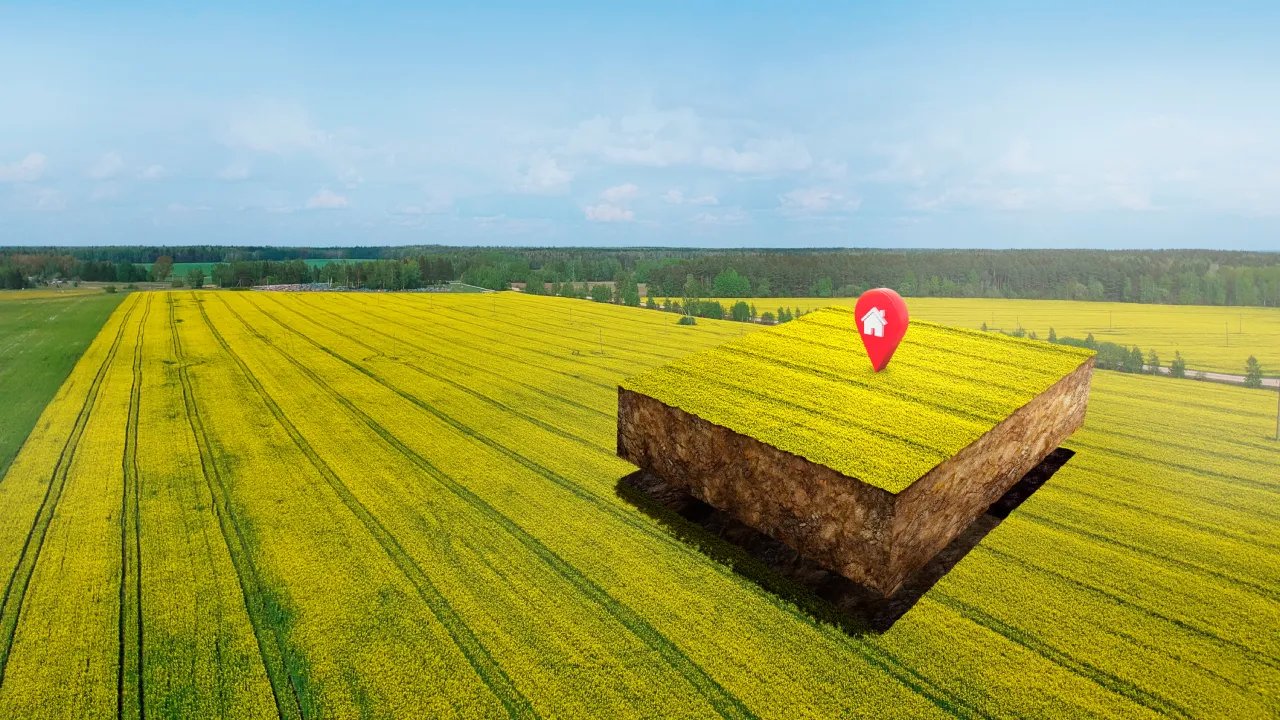
Karnataka remains one of India’s most active agricultural states, with a total cultivated land of about 98.95 lakh hectares. A meaningful share of this land comes to the market when owners move toward urban jobs and leave farming behind. For a serious buyer, this combination creates a tangible choice: you can compare soil types, water access, and connectivity across districts instead of being forced into a single option.
If you are exploring agriculture land for sale in Karnataka, it helps to treat the decision like a structured project. The right plot can support farming income, lease income, or long-term holding value, but the wrong plot can become a time-consuming legal and operational burden.
Here, we will talk about the price of agricultural land in Karnataka, what drives prices, how to evaluate locations (including areas around Bengaluru), and how to buy legally with proper documentation.
Why More Agricultural Land Is Coming To the Market
Many sellers are not “distress sellers” in the traditional sense; they are families that no longer want to manage rural property while living in cities.
When cultivation is reduced, even good agriculture land in Karnataka may remain unused for years, and such parcels sometimes get quoted at lower starting prices than fully cultivated, irrigated plots.
This pattern is one reason buyers looking for the cheapest agricultural land in Karnataka often find options in interior belts, or in villages where labour availability and day-to-day supervision are difficult for absentee owners.
However, lower prices can also reflect practical constraints such as inconsistent water, weaker road access, or boundary issues.
The goal is not only to find a low quote, but to confirm that the land can actually be used, accessed, and registered without disputes.
What Does One Acre Cost In 2026?
For most buyers, the first point of discussion is the 1 acre agriculture land price in Karnataka. As a broad statewide average for 2026, one acre often falls in the range of ₹30–₹40 lakh, but this figure changes sharply based on micro-location, irrigation, and development pressure. Near major cities and industrial corridors, prices can move from “agricultural” economics into “land banking” economics, where buyers pay mainly for future potential.
When people compare the agricultural land price in Karnataka, they sometimes mix together three different categories:
Purely farm-use plots in rural areas (pricing driven by crop income potential).
Semi-urban edge plots (pricing driven by access, future demand, and fragmentation into smaller holdings).
Premium belts near Bengaluru (pricing driven by scarcity, connectivity, and investor competition).
Understanding the price of agricultural land in Karnataka helps you negotiate correctly and avoid unrealistic expectations.
Key Factors That Decide Agricultural Land Rates
Agricultural land rates in Karnataka are not decided by a single input. Prices usually depend on factors like how easy it is to farm the land. Here are the most common drivers:
Location and access: Plots closer to Bengaluru, logistics routes, or well-built roads typically command higher quotes.
Soil quality: Soil type influences crop choices and yield potential; good soil attracts serious cultivators and raises value.
Infrastructure: Electricity access, approach roads, and proximity to markets can change operating costs and resale appeal.
Use these factors as a checklist when looking for a farmland in Bangalore. A price that looks “affordable” on paper may be high after you account for borewell drilling, road creation, or legal rectification.
Regional Prices
If you are comparing farm land for sale in Karnataka, you will notice that Bengaluru-adjacent regions often quote far above the state average. The following figures reflect starting price indications in selected locations (actual deals vary by exact village, access road, soil, and water):
Area (indicative) | Starting price per acre (approx.) |
Chandapura, Bengaluru | ₹6.5 crore |
Gauribidanur | ₹20 lakh (starting) |
Davangere | ₹15–₹45 lakh |
Devanahalli | ₹1 crore to ₹2.8 crore |
Hoskote | ₹1 crore |
Kanakapura Road | ₹20 lakh |
Doddaballapura | ₹1 crore to ₹1.71 crore |
Hubli | ₹2.2 crore |
Nandi Hills belt | ₹5 crore |
Kanakapura | ₹20–₹25 lakh (some belts); |
What To Look For Beyond Price
People searching for the best agricultural land in Karnataka often ask for a single district recommendation, but quality is usually plot-specific. Two plots in the same village can perform very differently depending on water depth, soil depth, and access.
During shortlisting, prioritise field-verifiable features:
Waterproofing: Check existing borewell yield history (if available), nearby water sources, and summer conditions.
Soil testing: A basic soil test can confirm pH, salinity, and nutrient status before you commit.
Approach road: Ensure the approach road is usable in monsoon, and that access is legally clear, not “informal.”
Encroachment risk: Talk about boundaries with the seller, neighbours, and a surveyor to confirm the actual extent.
Local operating ecosystem: Availability of labour, input shops, and a market route affects day-to-day feasibility.
If your job or residence is in Bengaluru, you may also see listings promoted as farm land for sale in Bangalore or “near Bengaluru.” In that segment, confirm whether the “farm” positioning is genuine agricultural viability or mainly a marketing angle tied to weekend ownership.
If you want operational convenience without daily supervision, evaluate the track record and legal structure of any best-managed farmland near Bangalore option, including who manages cultivation, and what your responsibilities remain as the landowner.
Legal Eligibility And Rules
Agricultural land buying in Karnataka must follow state rules under the Karnataka Land Revenue framework. The rules have evolved, so buyers should avoid relying on old assumptions. Key timeline points:
Before 2015: Agricultural land purchase was largely limited to those from agricultural families, and individuals with annual non-agricultural income above ₹2 lakh were typically treated as non-agriculturists and faced restrictions.
After 2015 amendments: Under Section 109, non-agriculturists could purchase agricultural land with government approval, subject to an income limit of ₹25 lakh per year. Practical application can depend on documentation, compliance, and how authorities interpret eligibility.
After you buy agricultural land, you should start farming or agricultural use within one year. If you stop agricultural activity within the next five years, the government may take action for non-compliance. This can even include taking back the land, depending on the situation and applicable rules.
Because interpretations and procedures can change, confirm the latest position with a qualified local advocate before paying an advance. When you evaluate land for sale in Karnataka, treat documentation as non-negotiable. Many purchase problems come from skipping basic verification steps.
A Practical Buying Process
A careful buying process reduces risk and keeps negotiations clear.
Shortlist 3–5 plots and compare water, soil, road access, and documentation quality.
Do two site visits, including one during or after rainfall if possible, to check drainage and access.
Negotiate based on facts: irrigation status, approach road, fencing, and cultivation readiness.
Sign an agreement to sell only after your lawyer clears the core documents and conditions.
Complete registration and then apply for mutation in the revenue records promptly.
Start cultivation within the required timeframe and keep basic proof (inputs, labour bills, cropping photos, or lease agreement).
This discipline matters because agricultural land is regulated, and your post-purchase conduct can affect legal safety.
Financing and Ongoing Costs
Financing is possible in some cases, but agricultural land loans often come with stricter eligibility, valuation standards, and documentation requirements than residential property. Some banks are more comfortable if the property has clear access, a clean title, and strong records, but policies vary widely.
Also, budget for ongoing costs beyond the purchase price of agricultural land in Karnataka:
Fencing and basic site preparation.
Borewell drilling (if required) and pump/electrical setup.
Farm maintenance and security.
Soil improvement and first-cycle cultivation expenses.
Wrapping Up
Purchasing agricultural land in Karnataka works best when you combine clear due diligence with a long-term plan for responsible use. If you want the best managed farmland near Bangalore, Sanctity Ferme provides eco-friendly options about 90 minutes from Bangalore, with organic farming and a like-minded community. Explore the site, review documents, and consider reserving a plot for your farmhouse.
FAQs
What is the price of agricultural land in Karnataka?
The price of agricultural land in Karnataka often averages around ₹30–₹40 lakh per acre in 2026, but rates vary widely by district, water access, soil, and proximity to Bengaluru or major highways.
What are the agricultural land rates in Karnataka per acre?
Agricultural land rates in Karnataka per acre can start near ₹15–₹25 lakh in some interior pockets, while premium Bengaluru-adjacent locations can run into multiple crores per acre depending on the exact belt and access.
Is it legal to buy agricultural land in Karnataka?
You must meet the eligibility rules. Even non-agriculturists can buy after the 2015 rule changes. But some conditions and approvals may apply.
What makes the best agricultural land in Karnataka?
Good agricultural land usually has dependable water, fertile soil, and a proper approach road. A flat, well-shaped plot is easier to farm and manage.
Is land for sale in Karnataka a good long-term investment?
It can be a good long-term investment if the title is clear and the land has strong basics like water and access. It also helps if you have a practical plan to farm, lease, or maintain the land as required by law.