Difference Between Traditional and Modern Farming
Discover practical gardening advice, expert landscaping tips, and inspiration to help you make the most of your outdoor space.
Sanctity Ferme Team
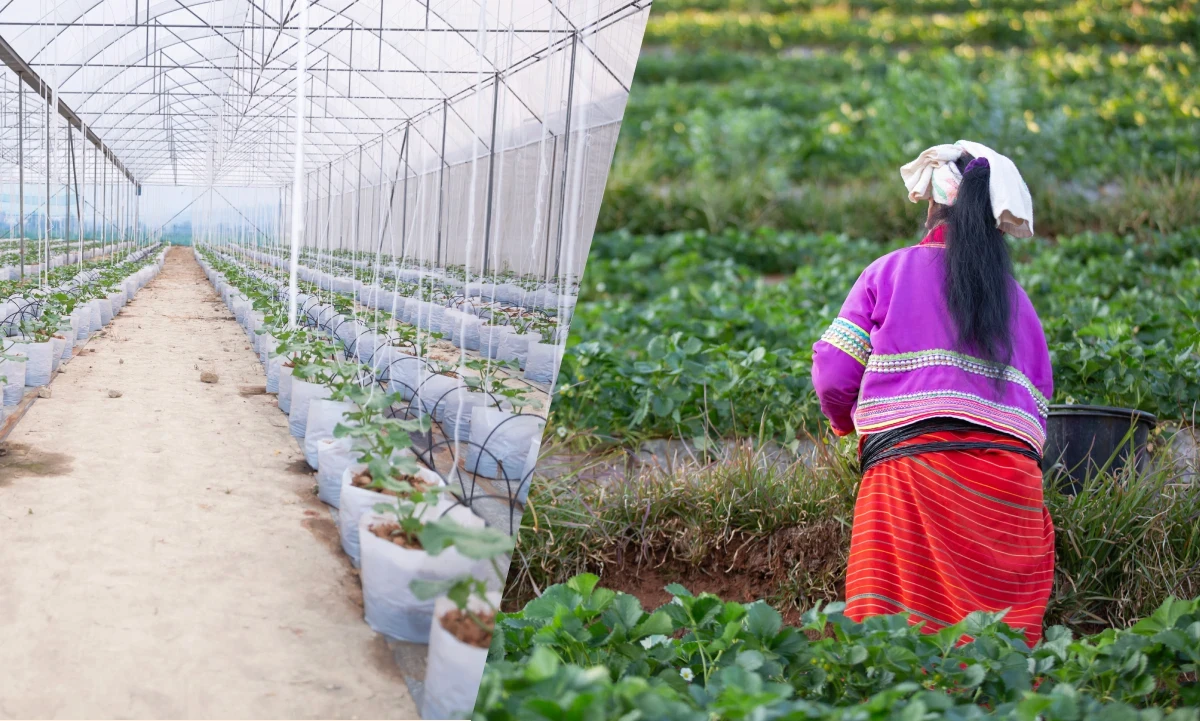
Farming in India now sits between two clear approaches: traditional methods built on local knowledge and natural inputs, and modern methods that use improved seed, measured irrigation, and data-led decisions.
Understanding the difference between traditional farming and modern farming helps you judge what changes on the ground in terms of yield, input cost, water use, labour, and long-term soil health.
What Traditional and Modern Really Mean
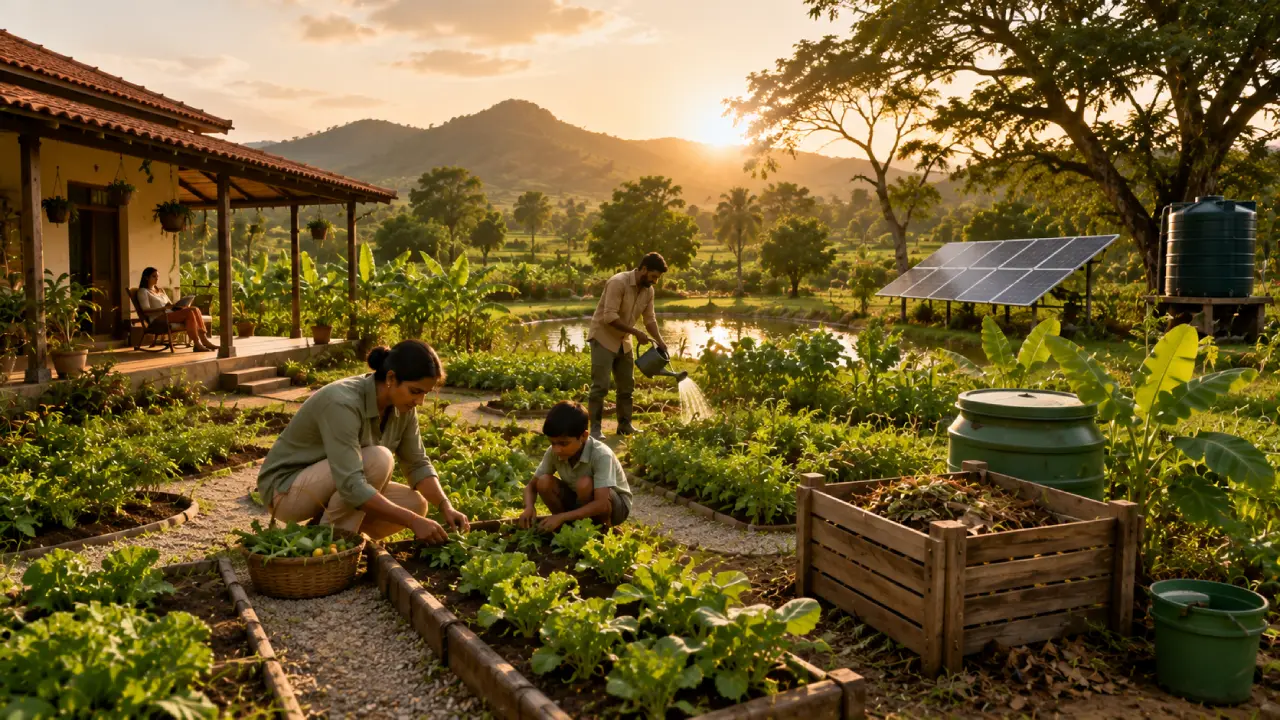
Traditional farming uses local knowledge and farm-made inputs like saved seed and manure. Modern farming uses planned inputs like improved seed, measured irrigation, and machinery. To differentiate between modern and traditional farming, check dependency: traditional relies on the farm’s own resources, modern relies more on external inputs.
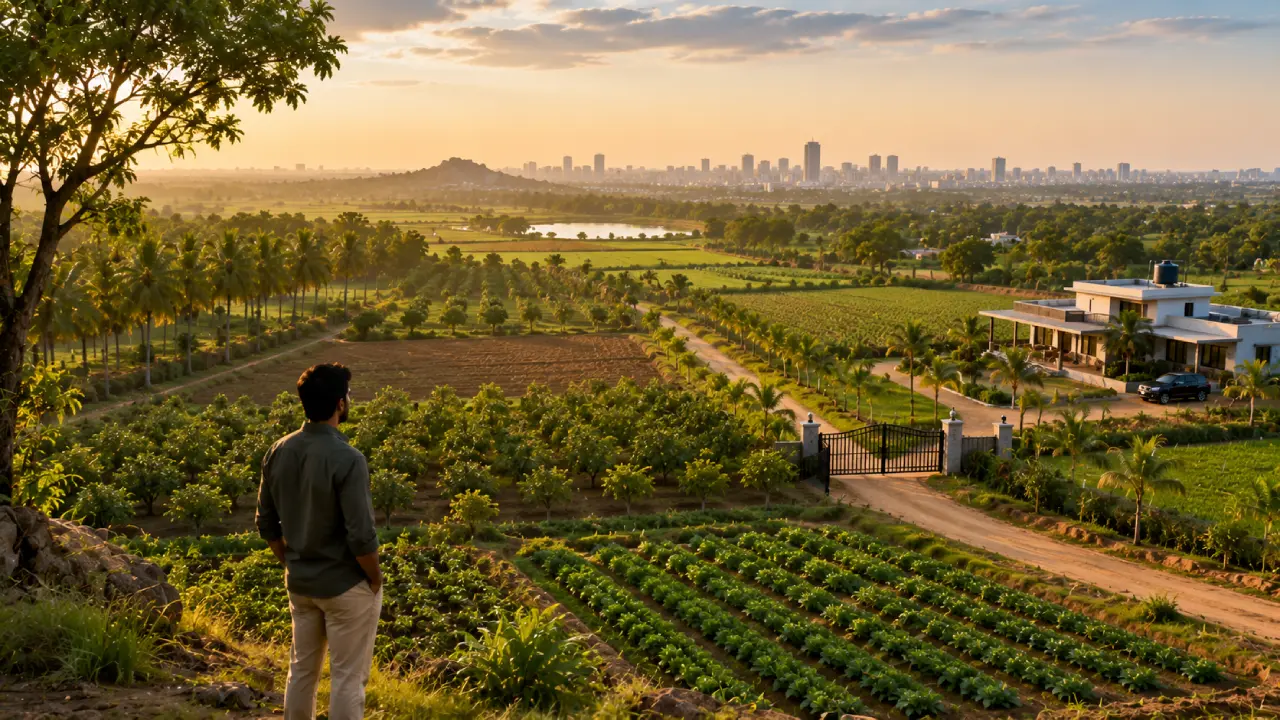
This is useful when evaluating managed farmlands near Bangalore, where the management team typically controls these inputs and practices.
The Difference Between Traditional and Modern Farming in Points
Use these as a quick way to differentiate between modern farming and traditional farming when you are visiting a farm or evaluating a plan.
Seed: Traditional uses local or open-pollinated seed; modern uses hybrids and specialised varieties.
Soil fertility: Traditional builds fertility through compost and rotations; modern uses fertiliser schedules and soil testing.
Water: Traditional is often rainfall-led; modern delivers measured irrigation.
Pest management: Traditional leans on diversity and prevention; modern uses targeted solutions, including chemical and biological options.
Labour: Traditional needs more manual effort; modern reduces labour through machines and service providers.
Scale: Traditional suits mixed small plots; modern systems often standardise crops for market demand.
Where the Biggest Differences Show Up
In day-to-day farming, the gap becomes clearest in yields, input costs, labour needs, water use, and long-term soil health.
Output and Costs
Modern methods can lift yields, but they usually raise cash spending too. Traditional methods may spend less cash, yet they demand time, observation, and steady labour. Your best choice depends on whether you are short on money, short on time, or short on labour.
Risk and Resilience
Traditional systems spread risk through mixed crops and rotations. Modern systems can be resilient as well, but only when they plan for climate swings and input price shocks, instead of betting everything on one crop. Using weather alerts, backup irrigation, and diversified market channels also helps reduce sudden losses and stabilise farm income.
Soil Health
Traditional practices often add organic matter gradually, which supports moisture holding and soil life. Modern farming can protect soil too, but only if it includes composting, residue management, and careful tillage, not just higher inputs. Regular soil testing, cover crops, and reduced chemical overuse also help maintain structure and prevent long-term degradation.
The Difference Between Multiple Cropping and Modern Farming Methods
Multiple cropping means taking more than one crop from the same land in a year, or growing crops together. It is a strategy that can sit inside either approach. So, the difference between multiple cropping and modern farming methods is simple: multiple cropping is about cropping pattern, while modern farming is about the whole system of technology, inputs, and operations.
How to Choose and Combine Both Approaches
Most successful farms do not stay rigid. They borrow the best ideas from both sides. A sensible blend often looks like this:
Soil testing and drip irrigation, plus compost and mulching.
Machinery for land preparation, plus rotation and mixed planting.
When you can differentiate between modern and traditional farming methods this way, you stop arguing about labels and start solving real farm problems.
What Does This Mean If You Own, Buy, or Manage Farmland Near Bangalore
If you are exploring managed farmlands near Bangalore, the traditional vs modern choice affects everyday realities: water use, maintenance discipline, how the land looks in summer, and whether weekend farming feels joyful or exhausting. And if you are comparing farm land for sale in Bangalore and nearby corridors, ask three grounded questions during a visit:
How will water be handled in peak summer?
What is the soil improvement plan for the next 2 to 3 years?
Who is accountable for upkeep when you are not around?
At Sanctity Ferme, the larger idea is simple: you own land and enjoy farm living, while the land is supported with professional management and a nature-first mindset.
Final Thoughts
Traditional farming protects balance through diversity and local wisdom. Modern farming protects output through planning, tools, and precision. Once you understand the spectrum, you can choose methods that suit your land, your time, and the future you want to build.
FAQs
Is traditional farming always better for the environment?
Not always. It is often gentler when it builds organic matter and biodiversity, but it can still harm land if water is wasted or soil is overworked.
Can modern farming be sustainable?
Yes. With careful irrigation, balanced nutrition, and integrated pest management, modern farms can reduce waste and protect soil while staying productive.
What's the biggest challenge in combining both approaches?
It comes down to consistency. Mixing both approaches works only if you keep at it season after season, not if you try one eco step once and then stop.