Investing in 2026: Plot vs Flat: Which Offers Better ROI and Capital Appreciation?
Discover practical gardening advice, expert landscaping tips, and inspiration to help you make the most of your outdoor space.
Sanctity Ferme Team
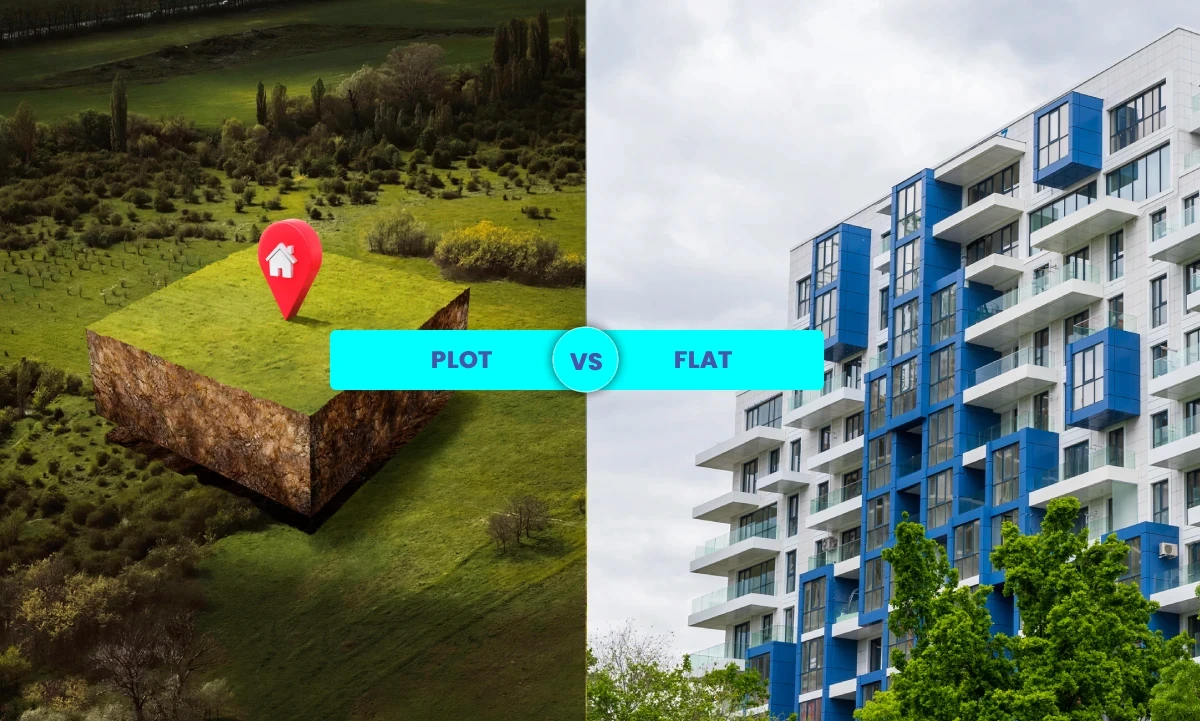
In 2026, many Indian buyers are choosing between owning land and the convenience of an apartment. If you are investing, returns come from two sources: price appreciation over time and the cash you earn by holding the asset.
This guide explains the flat and plot difference, so you can judge capital appreciation, rental potential, costs, and risk before you commit.
Plot vs Flat: What You Actually Own
A plot gives you direct land ownership, while a flat gives you a home unit plus shared rights in the building and common areas.
Plot
A plot is direct land ownership. You buy a defined parcel with boundaries and access, and you decide when to build or how to use it, as per local rules. You also control design, timelines, and future expansion, but you must handle approvals, utilities planning, and basic upkeep unless you choose managed farms where maintenance and operations are handled for you.
Flat
A flat is a finished home inside a larger building. You own your unit plus a share of common areas, and you follow society rules for upkeep and usage. This is the starting point for the difference between plot and flat: land gives you flexibility, a flat gives you immediate use.
ROI in Real Terms: Where the Money Comes From
Your return is mainly driven by capital appreciation over time and the income you can earn while holding the property.
1. Capital Appreciation
Land value can rise sharply when access improves and demand expands into new corridors. Plots benefit most when the location has clear development drivers and a clean title. Flats can appreciate too, but price growth is tied to building quality, the supply of similar units, and the property's maintenance.
If you want a simple rule for the difference between flats and plots, remember this: plots often play the long game; flats tend to track end-user demand.
2. Cash Flow
Flats usually win on near-term rental income because they are ready to live in. Plots can generate income only if you develop, lease, or attach a managed use case. This plot and the flat difference matter if you want your investment to generate returns while you hold it.
Usability: The Gap is Narrowing for Land
Traditionally, land meant waiting. Managed ownership models are changing how people use plots in Bengaluru. With managed farms, upkeep and operations are handled professionally, which makes ownership easier for buyers who live elsewhere.
Sanctity Ferme positions its spaces around nature, first living and managed land stewardship, with an experience layer that includes a farm stay near Bangalore. If you value weekends in nature along with land ownership, this model makes a plot feel usable, even before you build.
Costs: What You Must Include Beyond the Purchase Price
Many investors compare only the headline rate per square foot. To differentiate between flat and plot based on true ROI, factor in full life cycle costs.
The Costs You Will Pay for Both
Here are the pointers:
Stamp duty and registration.
Legal checks and documentation verification.
Loan-related charges, if financed.
Plot Costs That Buyers Miss
Here are the pointers:
Fencing, boundary marking, and periodic site upkeep.
Development charges were applicable.
Construction costs later, if you choose to build.
Flat Costs That Reduce Net Returns
Here are the pointers:
Monthly maintenance and sinking fund.
Interiors, upgrades, and periodic renovation.
The association decides shared repairs and special assessments.
This is another difference between plot and flat: flats have steady recurring costs, plots have lighter routine costs but can spike if you develop.
Risk and Due Diligence: Where to Be Severe
Plots and flats have different risk points, and this is where many buyers lose time and money.
Plot Due Diligence Priorities
Here are the pointers:
Clear title chain and updated land records.
Physical demarcation and access clarity.
Land use status and any local restrictions.
Flat Due Diligence Priorities
Here are the pointers:
Approvals, builder track record, and completion status.
Maintenance standards and pending disputes.
Ageing, major repairs, and future upgrade needs.
If you want to differentiate between plot and flat quickly, ask yourself: am I managing land paperwork risk, or building and society risk?
Bengaluru Lens: Choosing What Suits Your Plan
If you are exploring land for sale in Bangalore and nearby belts, a plot may suit you when:
Your holding period is longer, and you can wait for appreciation.
You want control to build later or keep the land flexible.
You are comfortable doing stronger legal checks upfront.
A flat may suit you when:
You want immediate usage or rental income.
You prefer predictable monthly outgoings.
You want a finished product, not a development journey.
For some buyers, a managed plot becomes the middle path. If the paperwork is strong and operations are managed well, you can own land without handling daily upkeep yourself.
Final Thoughts
There is no universal winner in the flat and plot difference. A flat can deliver earlier cash flow, while a plot can offer stronger long-term capital appreciation when the location and documentation are right. Pick the option that matches your time horizon, your risk comfort, and how involved you want to be after purchase.
FAQs
What is the primary difference between a flat and a plot?
A flat is a ready-made home in a building with shared areas. A plot is land you own and can build on later.
How does land ownership work for plots?
You own the land parcel within defined boundaries. Ownership depends on clean records, title, and land use rules.
What costs are associated with purchasing a plot?
Registration and legal charges, plus fencing and basic maintenance. If you build later, construction is an additional cost.
How do I decide between a flat and a plot based on my needs?
Choose a flat if you need immediate use or rent. Choose a plot if you want flexibility and can hold longer for appreciation.
Which has higher maintenance costs – plot vs flat?
Flats usually cost more to maintain due to monthly charges and building repairs. Plots are lighter unless you build or add services.