How To Build A Sustainable Lifestyle Through Farmland Living
Discover practical gardening advice, expert landscaping tips, and inspiration to help you make the most of your outdoor space.
Sanctity Ferme Team
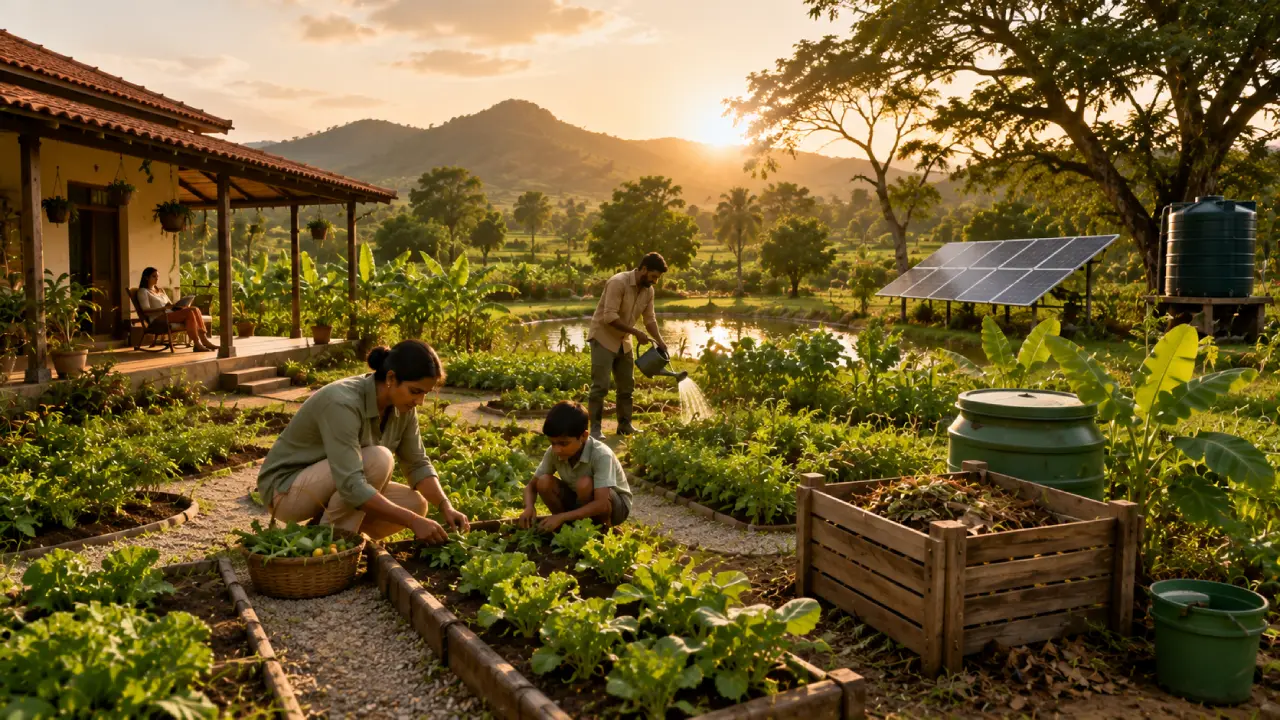
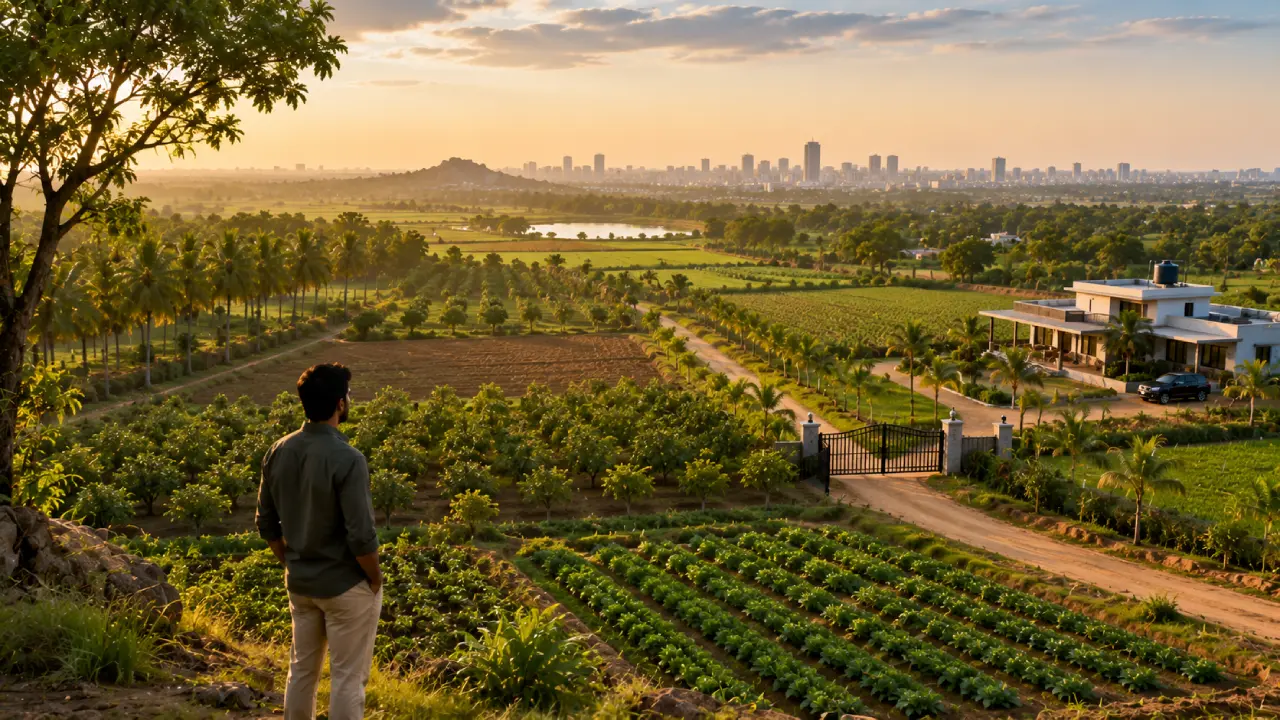
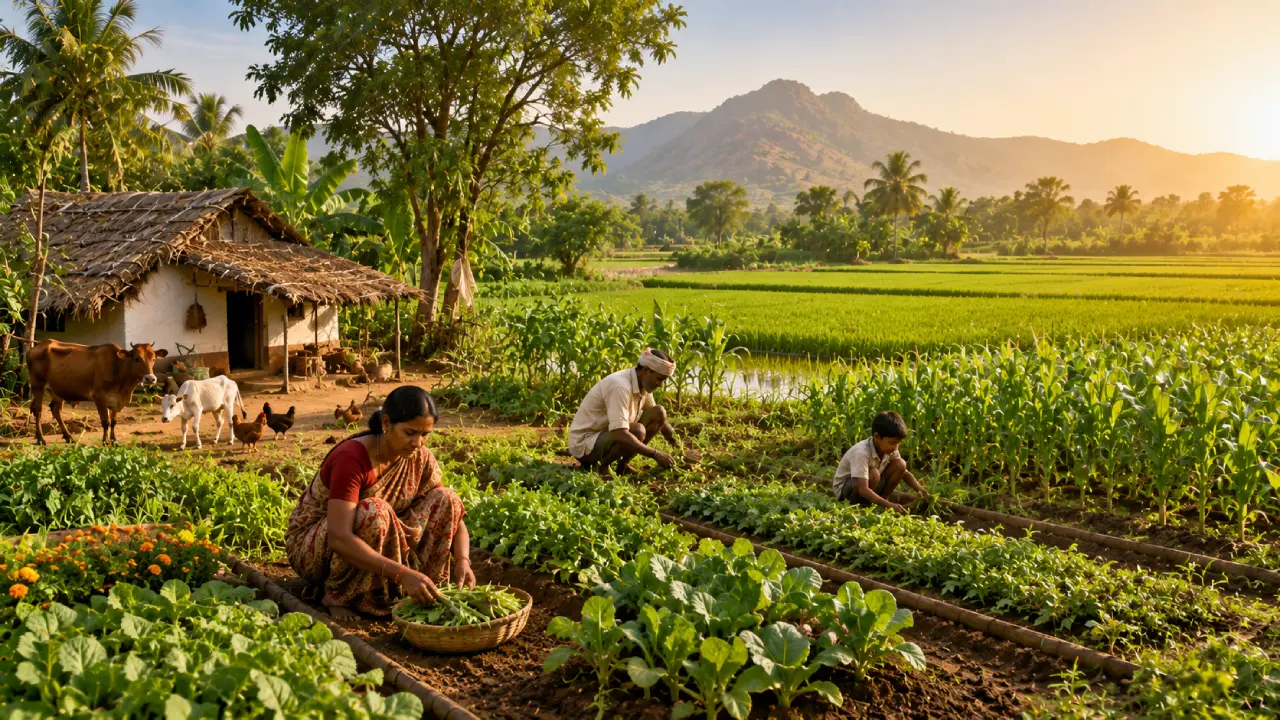
A farm does not automatically make life sustainable. Many people learn this after buying land and then struggling with water, labour, weeds, soil and upkeep. Farmland living works best when treated as a patient, practical shift. For urban families in India, especially around Bengaluru, it can bring food awareness, open space and better habits. Real change starts when land is seen as something to care for, not just to own.
Begin With A Clear Purpose
Before planting trees, decide why you want farm life. Is it for growing food, spending weekends outdoors, teaching children about nature, or reducing dependence on city systems? A clear purpose keeps plans realistic.
Sustainable living means using soil, water, energy and materials in a way that does not damage future needs. On farmland, that meaning becomes direct. Poor soil shows weak crops. Wasted water shows dry wells. Bad waste habits show up as plastic, smoke or pests.
Start with steady choices:
Visit the land in different seasons.
Keep records of rainfall and water use.
Grow only what the land can support.
Learn from local farmers before spending heavily.
Study The Land Before Planning Features
First-time buyers often think about cottages, fences and weekend seating first. An experienced farmer will look at slope, soil, shade, water flow and road access. That order matters.
People searching for farm land for sale in Bangalore should check legal title, approach road, land classification, survey boundaries and nearby development pressure. It is also important to know whether the land holds water during the monsoon or becomes dry by summer.
If the plot is near rocky ground, open drains or heavy construction, farming may need extra planning. A sustainable lifestyle begins with choosing land that can support farming.
Build Soil Health Slowly
Soil is not just mud. It is a living mix of minerals, air, water, roots, insects and microbes. Microbes are tiny organisms that help break down organic matter and release nutrients for plants.
Around Bengaluru, red soil is common. It can grow good crops, but it often dries quickly and needs organic matter. Compost, farmyard manure, leaf mulch and green manure crops help improve it.
Simple soil care includes:
Testing pH and nutrients before planting.
Covering bare soil with dry leaves.
Avoiding deep digging unless needed.
Growing pulses to support nitrogen.
Mulch is useful in hot months. It keeps roots cooler and reduces water loss.
Grow What Suits The Climate
An eco-friendly lifestyle on farmland depends on sensible crop choices. A water-hungry crop in a dry belt is not sustainable, even if it looks attractive at first. The crop plan should follow rainfall, soil depth, labour availability and family use.
Near Bengaluru, many farms work better with mixed planting. Millets, pulses, greens, gourds, drumstick, curry leaf, amla, guava, sapota, mango and native shade trees can be considered depending on site conditions. Instead of planting everything at once, begin with one or two patches.
A farm that grows slowly usually lasts longer than one designed in a rush.
Treat Water As The Main Budget
Anyone asking how to live sustainably should start with water. Borewells are useful, but depending only on groundwater is risky. Many parts of Karnataka face dry summers, and rainfall can be uneven.
Better water habits include:
Collecting rainwater through recharge pits.
Using drip irrigation for trees and vegetables.
Keeping soil covered with mulch.
Choosing drought-tolerant plants.
Avoiding lawns that need daily watering.
Small contour trenches can slow rainwater and help it enter the soil.
Reduce Waste During Farm Visits
Waste management is where many weekend farms fail. Packaged snacks, plastic bottles, disposable plates and construction waste can quickly spoil the place meant to feel natural.
Useful sustainable living tips are often simple. Carry steel bottles, bring back non-recyclable waste, compost fruit peels, avoid burning dry leaves and repair tools instead of replacing them. Wet waste can become compost. Dry leaves can protect soil.
The aim is not to make the farm look perfect. It is to reduce the waste that leaves your hands.
Design Shelter For Heat, Rain And Use
A small farm shelter should suit the climate, not copy a city house. Cross-ventilation, shaded verandas, local materials, tree cover and light-coloured roofing can reduce heat. Too much concrete or paving stops rainwater from entering the ground.
Solar lights, efficient pumps and low-energy appliances can help when they match actual use. A large farmhouse with high power needs may behave like an energy-heavy second home.
Keep shelter simple. Let it support farm work, rest and storage.
Learn From People Who Work The Land
Local knowledge matters. Farmers, nursery owners and agricultural officers know which plants survive summer, when pests appear, what labour costs look like and how water behaves there.
This is one reason some urban families explore managed farmlands near Bangalore. Organised maintenance may help with routine tasks, but owners still need a basic understanding. No model can replace awareness of soil, water and seasonal limits.
Ask what failed, not only what worked. That answer is usually more useful.
Bring The Habit Back Home
A sustainable lifestyle should not stop at the farm gate. Families that grow food waste less. Children who see compost understand that wet waste should be separated. Adults who track rainfall may use water more carefully at home.
Farmland living is about building a better relationship with food, materials and natural cycles.
Conclusion
Farmland living can support a grounded way of life when handled with patience. It asks for soil testing, water discipline, suitable crops, local learning and waste reduction. For Indian families, the shift need not be dramatic. Start small, observe closely and improve one habit at a time.
FAQs
What Is A Sustainable Lifestyle?
A sustainable lifestyle means living in a way that uses water, energy, food and materials carefully. It reduces waste and protects future resources.
How Can I Start Living A More Sustainable Lifestyle?
Start small. Segregate waste, compost wet waste, save water, eat seasonal food, reduce plastic and avoid buying things you do not need.
What Are The Benefits Of Sustainable Living?
It reduces waste, improves food awareness, saves resources and builds healthier habits. On farmland, it also supports soil, water conservation and biodiversity.
How Does Owning Farmland Support A Sustainable Lifestyle?
Farmland gives space to grow food, plant trees, harvest rainwater and compost organic waste. It helps families understand farming efforts and seasons.
What Are Some Simple Daily Habits For Sustainable Living?
Carry a reusable bottle, switch off appliances, reuse containers, compost kitchen waste, choose local produce and use water carefully.